Your active loans play a crucial role when it comes to managing your personal finances. Several individuals take multiple loans, such as a personal loan, a credit card loan, or a car loan, without realizing how these impact their financial track record.
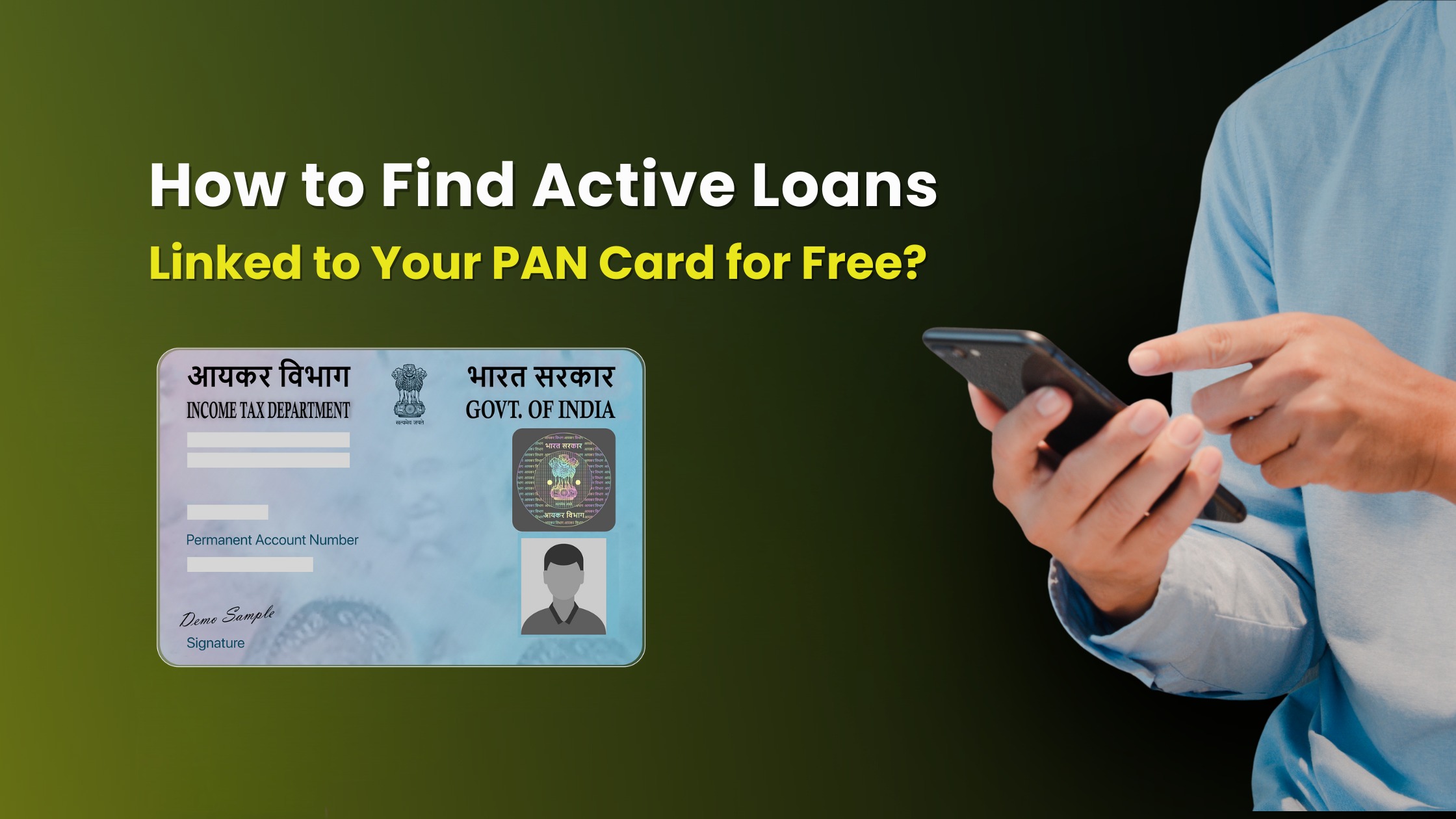
Over the years, if an old loan slips your mind or you have missed closing the same officially, it could show as an existing liability in your credit record. Luckily, you can find every active loan that has been linked to your PAN card for free. With the help of online tools and credit bureau services, you can do so effortlessly.
Without further ado, let us explore how you can find these loans, why it is significant, and how to manage certain issues, such as loan settlement vs loan closure, loan repayment, and other main aspects of borrowing sensibly.
Why It’s Important to Know About Active Loans Linked to Your PAN Card
Your PAN (short for Permanent Account Number) is your credit signature. You must know that every loan or credit facility you utilize is tied to your PAN card. It could be a personal loan, a home loan, or an education loan. When you monitor the loans linked to your PAN, it helps you with the following:
- 1. Ensure you make loan repayments on time to maintain a good credit score.
- 2. Plan actively for enhanced borrowing potential in the future
- 3. Identify any existing loans you might have forgotten.
- 4. Spot fake or unauthorized loans secured using your PAN card.
- 5. Confirm that old loans are completely closed and cleared from active status.
When you neglect this check, it can be detrimental to your credit health. Even if you have not paid one EMI or have an unclosed loan account, it can adversely affect your credit score. Moreover, it can impact your future credit eligibility negatively.
Some Crucial Ways to Find Active Loans Linked to Your PAN Card
Listed below are some of the most effective methods that make it easier for you to check all active loans associated with your PAN card for free:
Check Your Credit Report from Major Bureaus
You must check your credit report to find all active loans, as it is the most reliable and precise way of doing so. There are four major credit bureaus in India, including:
- 1. CIBIL (TransUnion)
- 2. Experian
- 3. Equifax
- 4. CRIF High Mark
You can download one free credit report once a year from all these certified credit bureaus. Your credit report consists of the following:
- 1. All existing loans and active credit cards under your PAN card
- 2. Types of loans, like personal, home, car, etc.
- 3. Loan amount and current balance due
- 4. Loan repayment record and outstanding dues
- 5.Status of the loan (active, settled, or closed)
To check your active loans, you can:
- 1. Visit the CIBIL official website: https://www.cibil.com, or any other credit bureau.
- 2. Once there, select the “Get Free Credit Report” option.
- 3. Enter your PAN card number, personal details, and mobile number.
- 4. Authenticate with OTP and download your report.
The website allows you to see a complete record of all your active or outstanding loans.
Use Online Loan Tracking Tools
Many reputable financial platforms offer PAN-based loan tracking tools free of cost. You can view your existing loans, EMI details, and loan repayment records instantly. That’s because these services connect with credit bureaus.
Several trustworthy apps and websites enable you to check your active loans that have been linked to your PAN card after verifying your basic details. Without charging anything for this service, they provide a streamlined dashboard that displays:
- 1. Number of loan accounts open in your name
- 2. Pending dues
- 3. Recent borrowing queries
- 4. Credit limit usage
Not only are these tools handy, but they also allow you to see a quick overview. You don’t even have to download detailed reports every time.
Check Directly with Banks or NBFCs
Have you secured a loan for clear bill from any bank or NBFC (short for Non-Banking Financial Company)? If so, you can directly reach out to their customer service for your loan status verification. Many lenders offer online portals that allow you to:
- 1. Log in using personal details, like your registered mobile number or PAN
- 2. View all your existing loans and their outstanding payment status
- 3. Access loan statements or account closure documents
This step usually proves beneficial when you are looking to repay loan or confirm that it has been properly closed.
Use the Account Aggregator Framework
The Account Aggregator (AA) system enables you to access all your financial data from various institutions in one place.
This system has been introduced by the RBI, and you can use any RBI-licensed AA app to see loan details linked to your PAN directly. As a secure and comprehensive method, it retrieves data directly from banks and financial institutions.
Some Common Issues You May Find and Ways to Fix Them
You might run into a few surprises when you check your outstanding loans. Listed below are some ways that allow you to handle these issues effectively:
Old Loan Still Showing in Active Status
At times, even after you’ve completely paid the loan, it still appears in active status on your credit history. This generally occurs when the lender has not updated the loan closure information with the credit bureau.
What you should do:
You must raise a dispute with the concerned credit bureau by requesting a Loan Closure Certificate from your lender. The status will eventually be updated to “Closed.”
Loan Fraud or Unauthorized Loan
Do you notice a loan you never applied for? If that’s the case, it could be a case of identity theft. Or, your PAN number may have been misused.
What you should do:
- 1. Without wasting a minute, report the matter to the concerned bank or NBFC.
- 2. The next crucial step is to file a police complaint. Ensure you inform the credit bureau.
- 3. Do keep a record once your complaint has been acknowledged.
Pay Off Loans Marked as Active
Have you gone through a loan settlement? Paid less than the total outstanding amount? No matter the reason, the account might still appear in active or settled status instead of closed.
Loan Settlement vs Loan Closure — What’s the Difference?
These two terms may confuse numerous loan borrowers. However, they have completely different results:
- 1. Loan Closure: It signifies you have paid the entire loan amount back. This includes all EMIs, charges, and interest. Once this has been updated by the lender, your credit report will display the account in “Closed” status. This has a positive impact on your credit score.
- 2. Loan Settlement: Loan settlement occurs when a lesser amount has been negotiated by you than what you owe to the bank or NBFC. It adversely impacts your credit reputation, even though it may seem like relief. The report shows the account in “Settled” status. It implies that you did not repay your dues in full.
Understanding the difference between the two is important. Hence, you must always consider loan closure, and not loan settlement. You can always opt for a personal loan if you are not able to make loan repayments. Doing so will allow you to clear your outstanding dues. Moreover, it will help improve your credit history.
The Bottom Line
Needless to say, your PAN card is the key to your complete financial history. Take control of your financial health by checking all active loans linked to your PAN without any charge. Not only does it help you detect unauthorized loans, but it also assists you in confirming repayments. It also helps you comprehend your future borrowing eligibility.
 Saurabh Jha


Leave a Reply